

#017 | 17 Mar 2026
In This Article
Main Story
Mobile Onboarding Is Not SaaS Onboarding
Search for onboarding advice and you will quickly find the same pattern repeated across dozens of articles: onboarding checklists, setup flows, guided tours, and activation milestones. Most of these frameworks come from SaaS products, where onboarding is designed as a structured setup process that prepares the user for long-term usage.
In that environment, the approach makes sense. SaaS users typically arrive with a clear intention. They open a product because they need a tool to organize work, manage data, or collaborate with others. The expectation of configuration is built into the experience. Setting up workspaces, adjusting settings, or inviting teammates feels like progress rather than friction.
Mobile users arrive in a completely different state of mind.
They install an app because something in the moment feels inefficient or inconvenient. The motivation is immediate and situational. Instead of preparing a system for future productivity, the user is hoping the app will improve the situation they are in right now.
That difference changes how onboarding is perceived.
When a SaaS-style setup flow appears on mobile—asking the user to create an account, configure preferences, or walk through a long product tour—the experience begins with investment before the user has experienced any value. What feels like structured guidance on desktop can feel like delay on mobile.
This is where many onboarding strategies quietly break.
From a dashboard perspective, the flow can appear successful. Users complete the checklist, move through the steps, and reach the final screen. Onboarding completion rates look healthy. But completion does not always translate into conviction.
The user may understand how the interface works, yet still feel uncertain about why the app matters.
Activation does not occur when onboarding finishes. It occurs when the user experiences the first meaningful improvement in their situation. Sending the first message, tracking the first habit, booking the first ride, or solving the first small problem the app promised to fix.
Until that moment happens, the user is still evaluating the product.
Successful mobile onboarding is not about guiding users through setup. It is about guiding them to that first moment of relief as quickly as possible. Demonstrating value before asking for commitment, allowing exploration before registration, and introducing complexity only after the user has experienced progress.
The difference may seem subtle, but its impact on retention is significant.
SaaS onboarding optimizes for system adoption. Mobile onboarding must optimize for emotional confirmation. The user needs to feel that installing the app was the right decision.
And that feeling usually forms within the first few minutes.
👇 Read the full breakdown Mobile Onboarding Is Not SaaS Onboarding
Recent Blogs


What’s new in Digia?
Fire Events in Digia
This week we released Fire Event, a new action in Digia Studio that allows developers to trigger custom events directly from app interactions.
With Fire Event, teams can track important user behaviors such as button clicks, form submissions, or feature usage. Each event can include structured data, making it easier to analyze user journeys and understand how people actually interact with the app.

Instead of guessing what users are doing, developers can now instrument precise interaction points and send meaningful signals to their analytics systems. It’s a small feature, but a powerful step toward better product insights.
Explore Fire events at Digia
News
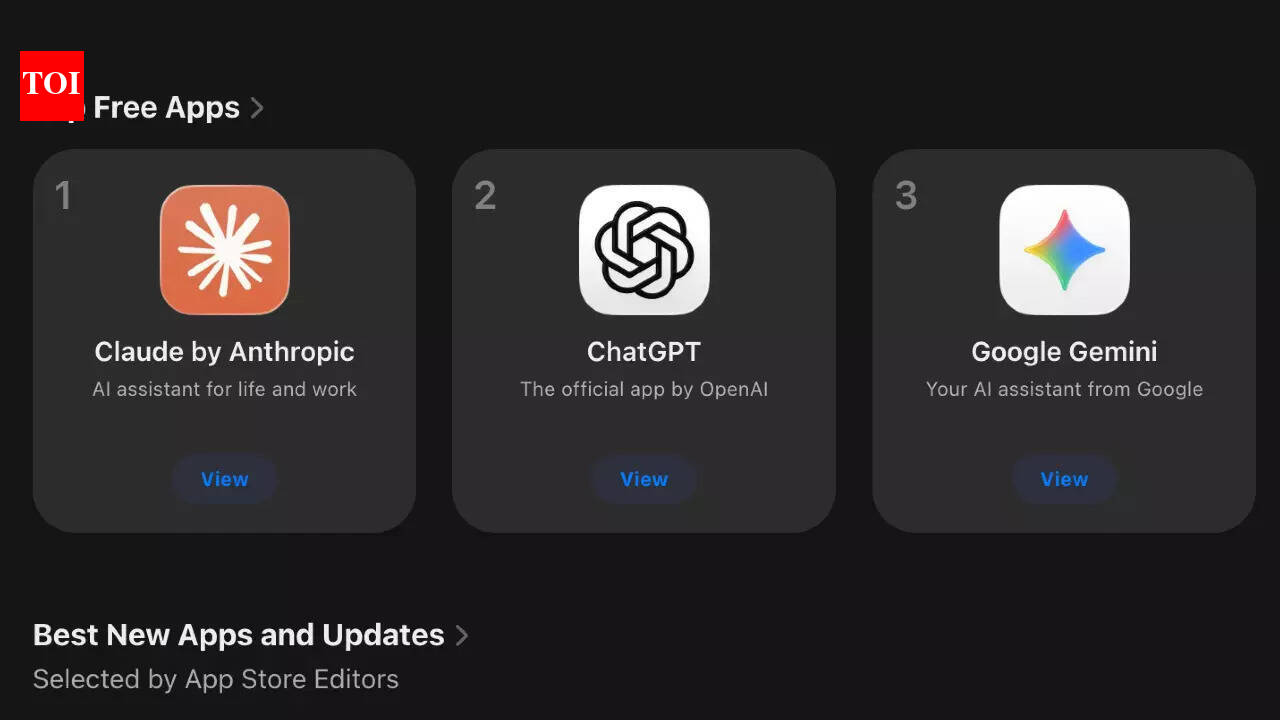
Claude Hits #1 on the App Store - Anthropic Benefits from the Ban
Anthropic’s AI assistant Claude recently reached the #1 spot on Apple’s US App Store, surpassing ChatGPT in the free app rankings. The surge followed a public dispute between Anthropic and the US government over the potential military use of its AI systems.
Anthropic refused to loosen safeguards related to mass surveillance and autonomous weapons, which led the government to halt federal use of its technology. The controversy, however, brought massive attention to Claude.
The result was an unexpected outcome: a government ban that increased visibility and pushed the app to the top of the App Store charts.

Your features are only valuable if users adopt them.
AI makes it easy to build new features. But building isn’t the bottleneck anymore - discovery and adoption are. If users don’t encounter a feature in the right context, at the right moment, it simply doesn’t get used.
The result? Missed engagement and wasted revenue opportunities.
Digia solves the distribution problem.
Ship in-app experiences directly on top of your existing data stack - without waiting for an app release cycle or forcing updates.
No code changes.
No release cycle.
No Play Store or App Store update.
Your feature or nudge goes live instantly and your data stays where it belongs.
Teams at BBlunt, Dezerv, and Omli use Digia daily to ship experiments and full features without pushing app updates.
Try Digia for free → Digia Studio
Socials