

#012 | 10 Feb 2026
In This Article
Main Story
Why Smooth Apps Win: Understanding FPS, Jank, and Runtime Performance
Startup time creates the first impression, but runtime performance decides whether users stay.
An app that opens instantly but stutters during scrolling or typing still feels broken. Users don’t think in terms of FPS or thread blocking, they just feel something is off. The interface feels unreliable, taps feel ignored and motion feels unstable.
And once that feeling appears, trust starts to erode.
A useful way to think about this is an old film projector.
Inside the projector, a strip of film moves frame by frame in front of a light. Each frame is just a still image. But when those frames move at a steady rhythm, the brain turns them into smooth motion.
Now imagine the reel starts jerking.
Sometimes it moves normally. Sometimes it slows down. Sometimes it pauses. Then it suddenly jumps forward. On the screen, characters skip positions. Camera pans feel uncomfortable. Action scenes look chaotic, even though the film itself hasn’t changed.
That’s exactly what frame drops look like in a modern app.
Your phone doesn’t show continuous motion. It shows a rapid sequence of frames. When those frames arrive at a consistent rhythm, everything feels smooth. When they don’t, the experience feels unstable.
This is why FPS matters. Not as a technical number, but as a measure of consistency.
At 60 frames per second, the app has just 16 milliseconds to prepare each frame. If something blocks that process like heavy logic, complex layouts, large images, or synchronous work, the frame misses its deadline. The screen repeats the previous one. The user sees a stutter.
And the brain notices it instantly.
What’s important is that users rarely complain about “frame drops.” They complain that the app feels slow, glitchy, or unreliable. That perception changes behavior. They scroll less. They retry actions. They abandon flows.
In a commerce app, that might mean a lost purchase.
In a fintech app, it might mean a loss of trust.
In a social app, it means shorter sessions and lower engagement.
Smoothness isn’t just about animations looking nice. It’s about the system feeling dependable.
Because when motion is consistent and interactions are instant, the app feels stable. And when an app feels stable, users are far more likely to stay.
👉 Read the full deep dive: Mobile App Runtime Performance: How FPS, Frame Drops, and Jank Affect User Experience
Recent Blogs



What’s new in Digia?
Agentic AI behavior
We’ve rolled out agentic AI behavior inside the Digia dashboard, making it possible to build UI the same way you’d describe it to a teammate. Instead of manually configuring layouts and components, you can now talk to the system in plain language like generate pages, add sections, create components, and then iteratively tweak or refine them after creation.

The goal isn’t automation for its own sake, but speed and flexibility. Teams can scaffold experiences faster, experiment with variations, and make structural changes without rebuilding screens from scratch. Think of it as a collaborative layer on top of the dashboard which is less clicking through settings, more intent-driven editing.
👉 Do check them out at Digia Studio
News
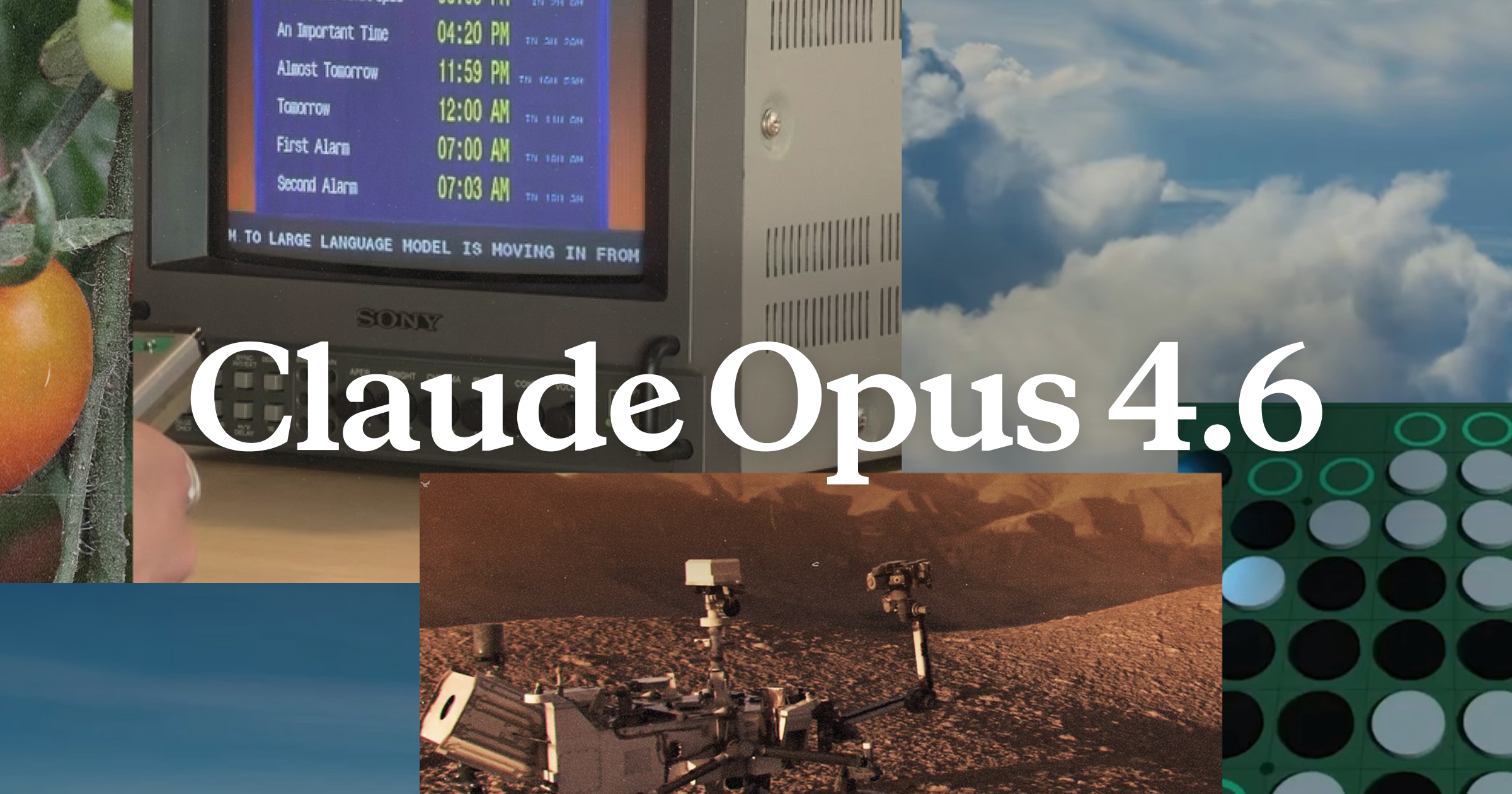
Anthropic Launched Claude Opus 4.6
Anthropic has released Claude Opus 4.6, its latest flagship model, focused on handling longer, more complex tasks with greater reliability. The model is designed to plan multi-step workflows, stay coherent across extended sessions, and perform better on large codebases and knowledge-heavy tasks.
The release also introduces a 1-million-token context window in beta, along with features like adaptive reasoning controls and multi-agent workflows. The direction is clear: AI is shifting from single-prompt interactions toward systems that can plan, execute, and collaborate across longer processes with minimal human guidance.
Socials